Nicotinamide Mononucleotide (NMN)
David Sinclair takes 1 gram of NMN every morning, usually with yogurt. This timing aligns with his body’s natural circadian rhythm and helps kickstart his cellular energy production for the day. NMN is a key component of Sinclair’s supplement routine, providing an extra layer of support to combat aging at the cellular level. [1]
Related: Sinclair vs Bryan Johnson: the longevity showdown →
- Supports energy production: Increases NAD+ levels, which are essential for cellular energy and metabolic processes.
- Promotes DNA repair: Aids in repairing damaged DNA, helping maintain genomic integrity and cellular health.
- Enhances cellular health: Supports overall cellular function, contributing to better health and vitality.
- Potentially slows aging: May help counteract the decline in NAD+ levels associated with aging.
He emphasizes the importance of taking NMN with a fat source, like yogurt, to enhance absorption. While promising, it’s essential to consult with a healthcare professional before adding NMN to your routine.
Resveratrol
As part of the David Sinclair supplement routine, he takes 1 gram of Resveratrol daily, mixing it with yogurt or olive oil in the morning for better absorption. This polyphenol compound is a key component of his longevity strategy, working synergistically with NMN to support cellular health and potentially slow down the aging process. [2]
- Activates sirtuins: Helps activate sirtuins, proteins that play a role in regulating cellular health and longevity.
- Antioxidant properties: Provides antioxidant support, helping protect cells from oxidative stress.
- Supports cardiovascular health: May contribute to healthy heart function and blood flow.
- Potential anti-inflammatory effects: Could help reduce chronic inflammation associated with aging.
Resveratrol complements NMN by activating sirtuin genes and aiding in DNA repair processes. Sinclair’s interest in resveratrol stems from his early research on the compound’s potential anti-aging effects.
While resveratrol is found in foods like red wine and berries, Sinclair opts for a higher-dose supplement to achieve the levels used in his research. You can also get a top-quality Resveratrol and NMN Bundle to improve supplementation and enhance your daily routine.
BEYOND SUPPLEMENTS No stack adds muscle you did not earn. EMS might. Twenty minutes, twice a week, every major muscle group under load. Here is what the studies actually measured. READ THE RESEARCH →Vitamin D3
David Sinclair takes 4,000-5,000 IU of Vitamin D3 daily, usually in the morning. This essential nutrient plays a crucial role in numerous bodily functions and is a key component of Sinclair’s longevity protocol. [3]
- Supports bone health: Helps the body absorb calcium and phosphorus, keeping bones dense and reducing the risk of fractures.
- Enhances muscle function: Aids in muscle contraction, coordination, and overall strength.
- Regulates the immune system: Helps modulate the body’s immune response, reducing the risk of infections and autoimmune conditions.
- Potential cognitive benefits: May support brain health and cognitive function as we age.
He highlights the importance of Vitamin D for overall health and longevity, particularly for immunity. He often mentions that while sunlight exposure can help the body produce Vitamin D naturally, many people may benefit from supplementation, especially those living in northern latitudes or spending most of their time indoors.
Trimethylglycine (TMG)
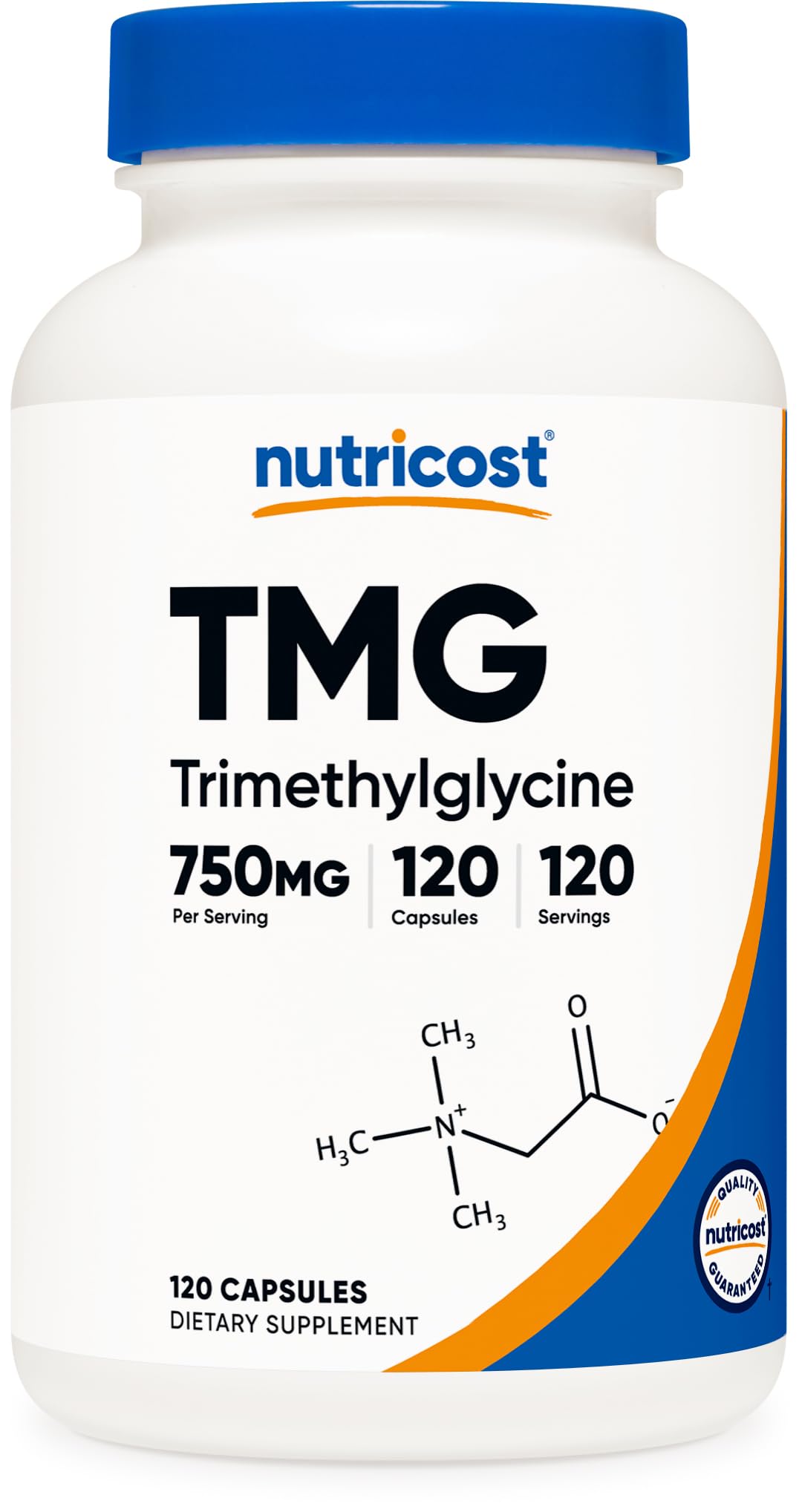
He includes 500-1,000 mg of TMG in his daily supplement routine, typically taking it in the morning dissolved in water alongside NMN. TMG, also known as betaine, is a methyl donor that plays a crucial role in various biological processes. [4]
- Supports methylation: Helps maintain healthy DNA methylation patterns, crucial for gene expression.
- Protects against methyl group depletion: Counteracts potential side effects of NMN supplementation.
- Enhances liver function: Supports liver health by reducing fatty deposits.
TMG is a key component of the David Sinclair aging supplements protocol, particularly as a precautionary measure to support methylation processes while taking NMN. Its ability to lower homocysteine levels and support cardiovascular health aligns well with his focus on longevity.
Quercetin and Fisetin
Sinclair previously took 500 mg each of quercetin and fisetin daily. However, recent updates to the David Sinclair supplement list suggest he may have removed quercetin from his routine while continuing with fisetin. [5]
- Senolytic properties: Both compounds have the ability to selectively eliminate senescent cells, which accumulate with age and contribute to inflammation and tissue dysfunction.
- Antioxidant effects: Quercetin and fisetin are powerful antioxidants that help protect cells from oxidative stress, potentially slowing down the aging process.
- Cardiovascular protection: Both compounds have shown potential in supporting heart health by reducing inflammation and improving blood vessel function.
While quercetin and fisetin have been staples in Dr. David Sinclair’s supplements for aging, recent research has led to some reconsideration. Sinclair now focuses on fisetin, taking 500 mg each morning with yogurt. This change reflects the evolving nature of longevity research and Sinclair’s commitment to optimizing his daily supplements based on the latest scientific findings.
Spermidine
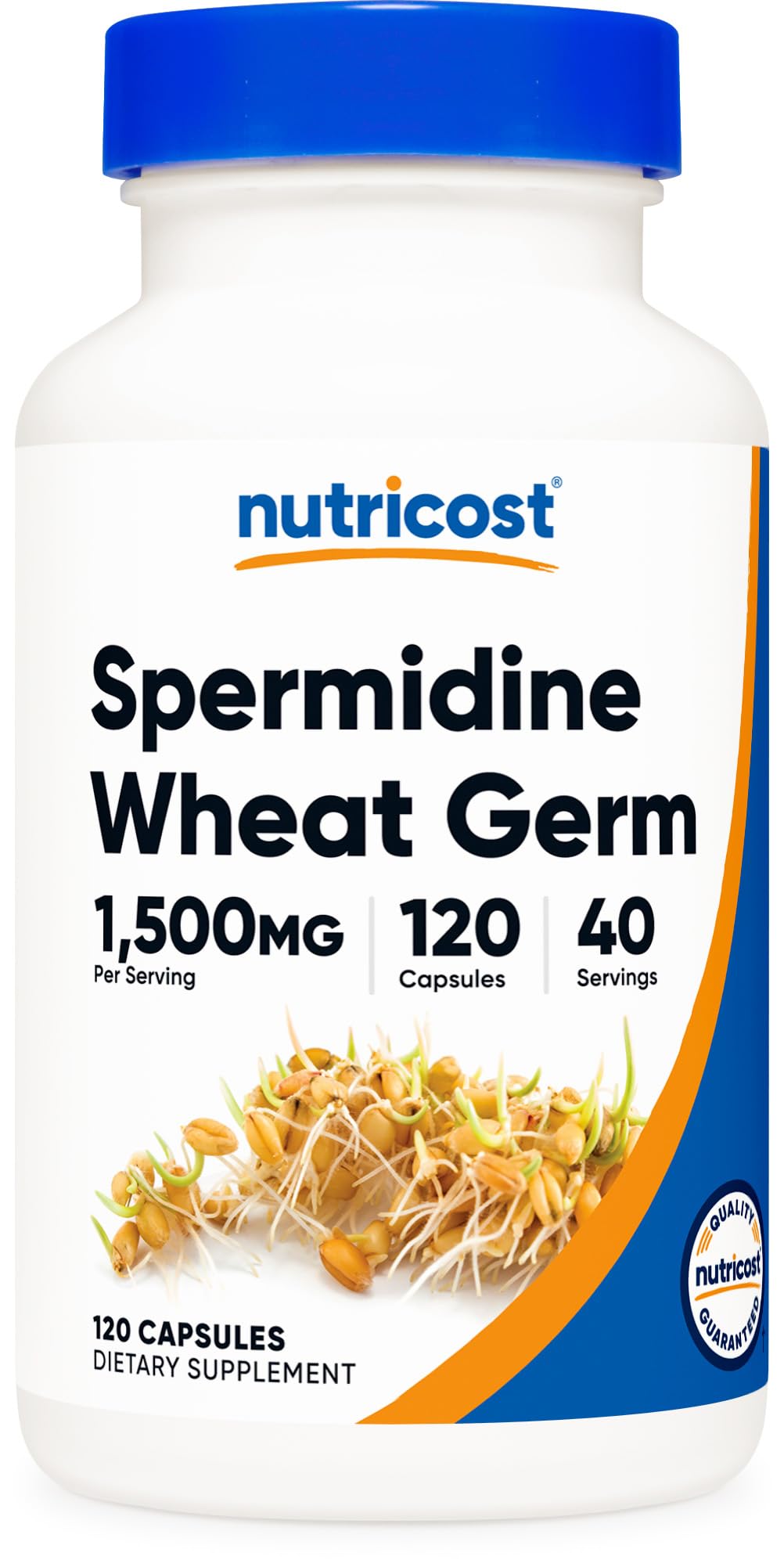
He takes 1-2 mg of spermidine in his morning supplement routine, often taken alongside other longevity-focused compounds like NMN and resveratrol. This naturally occurring polyamine has gained attention in the David Sinclair aging supplements protocol for its potential to promote cellular renewal. [6]
- Autophagy activation: Spermidine is known to induce autophagy, the cellular “cleaning” process that removes damaged components and promotes cellular rejuvenation, potentially slowing down the aging process.
- Cardiovascular support: It can also improve heart health by enhancing blood flow and protecting against age-related cardiovascular decline.
- Cognitive function: Spermidine might help counter brain inflammation and anxiety, potentially supporting cognitive health as we age.
Spermidine has become an integral part of the David Sinclair recommended supplements list, reflecting its potential role in promoting healthy aging.
Omega-3 Fish Oil
He uses omega-3 fish oil in his daily supplement routine, though he hasn’t specified the exact dosage or timing. This essential fatty acid supplement is a key part of the David Sinclair supplement routine. [7]
- Brain health: Omega-3s, particularly DHA, play a crucial role in maintaining cognitive function, supporting memory, and potentially reducing the risk of age-related cognitive decline.
- Cardiovascular support: These fatty acids are known to support heart health by reducing inflammation, lowering triglycerides, and potentially decreasing the risk of arrhythmias. This aligns well with Sinclair’s focus on maintaining cardiovascular health for longevity.
- Anti-inflammatory effects: Omega-3s have potent anti-inflammatory properties, which may help combat chronic low-grade inflammation associated with aging. This could contribute to overall health and longevity by reducing the risk of various age-related diseases.
While Sinclair hasn’t provided specific details about his omega-3 supplementation, it’s clear that this nutrient plays a significant role in his approach to healthy aging and forms an important part of the David Sinclair daily supplements routine.
Alpha Lipoic Acid (ALA)
Alpha Lipoic Acid is also included in Sinclair’s supplement protocol, although he hasn’t disclosed the exact dosage or timing. This powerful antioxidant is both water and fat-soluble, making it a versatile addition to the David Sinclair aging supplements lineup. [8]
His interest in this antioxidant goes back to his Ph.D. research, but what convinced him to take it was a conversation with the family of Dr. Denham Harman, the scientist behind the Free Radical Theory of Aging.
- Antioxidant properties: ALA is a potent antioxidant that can neutralize free radicals throughout the body. It’s unique in its ability to work in both watery and fatty tissues, potentially offering more comprehensive protection against oxidative stress.
- Mitochondrial support: It plays a crucial role in mitochondrial function, helping to enhance energy production at the cellular level.
- Glucose regulation: ALA may help improve insulin sensitivity and glucose uptake, potentially supporting metabolic health. This could be particularly beneficial in combating age-related metabolic decline.
While not as frequently discussed as some other components of his supplement list, Alpha Lipoic Acid forms an important part of the David Sinclair supplement list. Its multifaceted benefits contribute to his comprehensive approach to longevity and healthy aging.
Vitamin K2
He takes 180-360 mcg of Vitamin K2 daily, often in combination with Vitamin D3. This fat-soluble vitamin plays a crucial role in calcium metabolism and cardiovascular health. [9]
- Higher bone health: Works synergistically with Vitamin D3 to improve bone density and strength.
- Enhanced cardiovascular function: Helps prevent calcium buildup in arteries, reducing the risk of heart disease.
- Effective calcium utilization: Directs calcium to bones and teeth rather than soft tissues.
Coenzyme Q10 (CoQ10)
David Sinclair takes Coenzyme Q10 daily, particularly because he also takes a statin. While he doesn’t elaborate on the specifics, research suggests that statins may lower CoQ10 levels in the blood, which could impact energy production and overall mitochondrial function. [10]
He doesn’t mention a precise dosage but refers to taking one large pill daily, which typically falls within the 100–200 mg range for CoQ10 supplements.
- Improves mitochondrial function: Helps generate cellular energy by aiding in ATP production within the mitochondria.
- Minimizes statin side effects: Statins can deplete CoQ10 levels, and supplementation may help mitigate potential muscle fatigue and weakness.
- Provides antioxidant protection: Acts as a powerful antioxidant, reducing oxidative stress and supporting overall heart health.
- Enhances cardiovascular health: May promote better circulation and reduce inflammation, contributing to improved heart function.
CoQ10 is widely used by individuals on statins due to its potential benefits in maintaining energy levels and muscle function.
Taurine
David Sinclair is currently experimenting with taking 2 grams of taurine per day, revisiting a supplement he had previously dabbled with. His renewed interest in taurine stems from recent research suggesting high doses may support longevity and metabolic health. To ensure safety, he monitors his blood markers regularly while including this supplement. [11]
- Longer lifespan: Taurine may play a role in slowing age-related decline and improving metabolic health.
- Better cellular function: Helps regulate calcium levels within cells, supporting proper muscle and nerve function.
- Enhanced mitochondrial health: May improve mitochondrial efficiency, contributing to better energy production and overall cellular resilience.
- Improved cardiovascular health: Taurine has been linked to improved heart function, potentially reducing blood pressure and cholesterol levels.
He sees taurine as a promising addition to his routine, though he emphasizes the importance of tracking its effects through regular blood testing.
Medications
- Low-Dose Aspirin: Despite mixed evidence on its cardiovascular benefits, Sinclair takes a small daily dose (83mg), citing research linking it to a reduced risk of cancer.
- Metformin: Commonly prescribed for type 2 diabetes, metformin is believed to support metabolic health and reduce inflammation. Sinclair has stated in interviews that he takes 1 gram daily.
- Rapamycin: A drug originally developed to prevent organ transplant rejection, rapamycin has been widely studied for its potential role in slowing aging and improving cellular function. Sinclair has not shared details about his dosage.
- Disclaimer: These medications should not be taken without consulting a healthcare professional, as they may carry risks or interact with other treatments.
My family has a history of diabetes and metformin is very effective at treating diabetes and even preventing it. So I do that for disease reasons.
References
- Yi, L., Maier, A. B., Tao, R., Lin, Z., Vaidya, A., Bhatt, S., & Bhatt, D. L. (2023). The efficacy and safety of β-nicotinamide mononucleotide (NMN) supplementation in healthy middle-aged adults: a randomized, multicenter, double-blind, placebo-controlled, parallel-group, dose-dependent clinical trial. GeroScience, 45(1), 29–43. PubMed
- Bitterman, J. L., & Chung, J. H. (2015). Metabolic effects of resveratrol: addressing the controversies. Cellular and Molecular Life Sciences, 72(8), 1473–1488. PubMed
- Martineau, A. R., Jolliffe, D. A., Hooper, R. L., Greenberg, L., Aloia, J. F., Bergman, P., ... & Camargo, C. A. (2017). Vitamin D supplementation to prevent acute respiratory tract infections: systematic review and meta-analysis of individual participant data. BMJ, 356, i6583. PubMed
- Cholewa, J. M., Wyszczelska-Rokiel, M., Glowacki, R., Jakubowski, H., Matthews, T., Wood, R., ... & Paolone, V. (2013). Effects of betaine on body composition, performance, and homocysteine thiolactone. Journal of the International Society of Sports Nutrition, 10(1), 39. PubMed
- Yousefzadeh, M. J., Zhu, Y., McGowan, S. J., Angelini, L., Fuhrmann-Stroissnigg, H., Xu, M., ... & Niedernhofer, L. J. (2018). Fisetin is a senotherapeutic that extends health and lifespan. EBioMedicine, 36, 18–28. PubMed
- Madeo, F., Eisenberg, T., Pietrocola, F., & Kroemer, G. (2018). Spermidine in health and disease. Science, 359(6374), eaan2788. PubMed
- Swanson, D., Block, R., & Mousa, S. A. (2012). Omega-3 fatty acids EPA and DHA: health benefits throughout life. Advances in Nutrition, 3(1), 1–7. PubMed
- Shay, K. P., Moreau, R. F., Smith, E. J., Smith, A. R., & Hagen, T. M. (2009). Alpha-lipoic acid as a dietary supplement: molecular mechanisms and therapeutic potential. Biochimica et Biophysica Acta, 1790(10), 1149–1160. PubMed
- Knapen, M. H., Drummen, N. E., Smit, E., Vermeer, C., & Theuwissen, E. (2013). Three-year low-dose menaquinone-7 supplementation helps decrease bone loss in healthy postmenopausal women. Osteoporosis International, 24(9), 2499–2507. PubMed
- Rosenfeldt, F. L., Haas, S. J., Krum, H., Hadj, A., Ng, K., Leong, J. Y., & Watts, G. F. (2007). Coenzyme Q10 in the treatment of hypertension: a meta-analysis of the clinical trials. Journal of Human Hypertension, 21(4), 297–306. PubMed
- Waldron, M., Patterson, S. D., Tallent, J., & Jeffries, O. (2018). The effects of an oral taurine dose and supplementation period on endurance exercise performance in humans: a meta-analysis. Sports Medicine, 48(5), 1247–1253. PubMed



Beyond the core NAD+ and sirtuin stack, Sinclair layers in supplements he discusses less precisely or is still testing, omega-3 and alpha lipoic acid without a stated dose, vitamin K2 paired with his D3, CoQ10 to offset his statin, and a renewed high-dose taurine experiment he tracks through bloodwork.