George St-Pierre is widely considered the greatest MMA fighter of all time, a two-division UFC champion who held the welterweight title for years with a perfect blend of striking, wrestling, and Brazilian jiu-jitsu. His physique was not built in a bodybuilding gym.
It was forged through a relentless, science-driven training system built around performance.
Even in retirement, GSP trains six days a week across two sessions per day, combining Olympic lifting, gymnastics, sprint work, and martial arts. His approach has always been the same: train smarter than everyone else, and train with people who are better than you.
This guide breaks down GSP's complete workout routine, his weekly training split, his pre-workout and recovery protocols, and the supplements that keep him performing at the highest level.
Training Philosophy
GSP treats training as a science, not just a grind. He constantly evolves his methods, pulling from gymnastics, track and field, Olympic weightlifting, and combat sports to build a complete athlete.
"I always train with better wrestlers than me, better boxers than me, better jujitsu guys than me. When you train with people who are better than you, it keeps challenging you."
His core belief is that MMA performance depends on adaptability, not just raw strength. He designs every session to improve speed, reaction time, and explosiveness, never just size.
"Gymnastics helps me have more coordination, more dexterity, and more agility. I try to be ahead of my time."
GSP also embraces training with elite athletes outside of MMA. He has worked alongside Olympic-level wrestlers and world-class jiu-jitsu practitioners, treating every session as a competitive proving ground rather than a routine drill.
Weekly Training Split
GSP trains six days a week with two sessions per day. The morning session focuses on strength, power, or conditioning, while the afternoon session is devoted to martial arts skill work.
| Day | Morning Session | Afternoon/Evening Session |
|---|---|---|
| Monday | Lower body strength (squats, deadlifts, cleans) | Boxing and Muay Thai striking |
| Tuesday | Upper body pull (rows, pull-ups, muscle-ups) | Wrestling and takedown drilling |
| Wednesday | Gymnastics and sprint conditioning | Brazilian jiu-jitsu rolling |
| Thursday | Upper body push (press, dips, plyometrics) | MMA sparring and situational drills |
| Friday | Lower body power (front squats, box jumps, sprints) | Clinch work and Muay Thai |
| Saturday | Full-body Olympic lifting complex | Open mat grappling and submissions |
| Sunday | Rest / Active recovery | Yoga, mobility, and stretching |
Strength and Power Training
GSP's strength work is built around Olympic lifts and compound movements that transfer directly to combat performance. He performs power cleans, front squats, deadlifts, and jerks with an emphasis on explosiveness over raw load.
His typical lower body session includes deadlifts for 8 to 12 reps, power cleans for 5 reps, and front squats for 3 sets of 5 reps. These movements build the hip drive and lower-body explosion that makes his takedowns so devastating.
For upper body strength, GSP relies heavily on pull-based movements. Weighted pull-ups, barbell rows, and gymnastic ring rows build the back and grip strength needed to control opponents in the clinch and on the ground.
Gymnastics and Bodyweight Training
GSP is one of the few elite MMA fighters who trains gymnastics as a core component of his program. Muscle-ups, handstands, acrobatics, and ring work are staples in his upper-body training.
He prefers gymnastics over traditional bodybuilding exercises because the movements demand full-body coordination, joint stability, and body control. These qualities matter far more inside the octagon than raw pressing strength.
"I try to be ahead of my time. Gymnastics gives me coordination and agility that you cannot build on a machine."
Sprint and Conditioning Work
GSP relies on sprint training for lower-body conditioning, treating it as the MMA equivalent of explosive strength work. Track sprints, hill sprints, and resisted sled pushes appear regularly in his weekly program.
He has stated that sprints make the entire body explode and execute fast, which is precisely what MMA fighters need for explosive strikes, level changes, and scrambles. His conditioning sessions are kept short and intense, not long and slow.
Rowing intervals and bike sprints are also part of the mix, providing cardiovascular output while preserving the legs for technical training sessions later in the day.
Striking and Martial Arts Training
GSP's afternoon sessions revolve around the technical side of MMA. Boxing, Muay Thai, wrestling, and Brazilian jiu-jitsu each get dedicated time in the weekly schedule.
Striking sessions include pad work, heavy bag rounds, shadowboxing, and live sparring. GSP has trained alongside world-class boxing coaches and Muay Thai specialists, always seeking partners who push his technical ceiling higher.
As a fight approaches, the training shifts from isolated disciplines to full MMA integration. He combines kickboxing, submission grappling, and takedown defense into live rounds that simulate real fight pressure, building the reflexes and momentum he needs for fight night.
Pre-Workout Protocol
GSP sometimes trains fasted in the morning, particularly for cardio-based sessions. For strength and power work, he fuels beforehand with a light meal and a pre-workout supplement to maximize output.
A quality pre-workout with clinical doses of caffeine, citrulline, and beta-alanine supports the kind of explosive, high-volume sessions that define his training. GSP's two-a-day schedule demands consistent energy management, and supplementing strategically is part of that system.
Post-Workout Recovery
Recovery is a pillar of GSP's program, not an afterthought. He targets 8 to 9 hours of sleep per night, calling it the single most important factor in progress, performance, and mental sharpness.
"Sleep is everything. It affects your mood, your endocrine system.
When you sleep, your brain and body assimilate your workout. Without enough sleep, you cannot make progress."
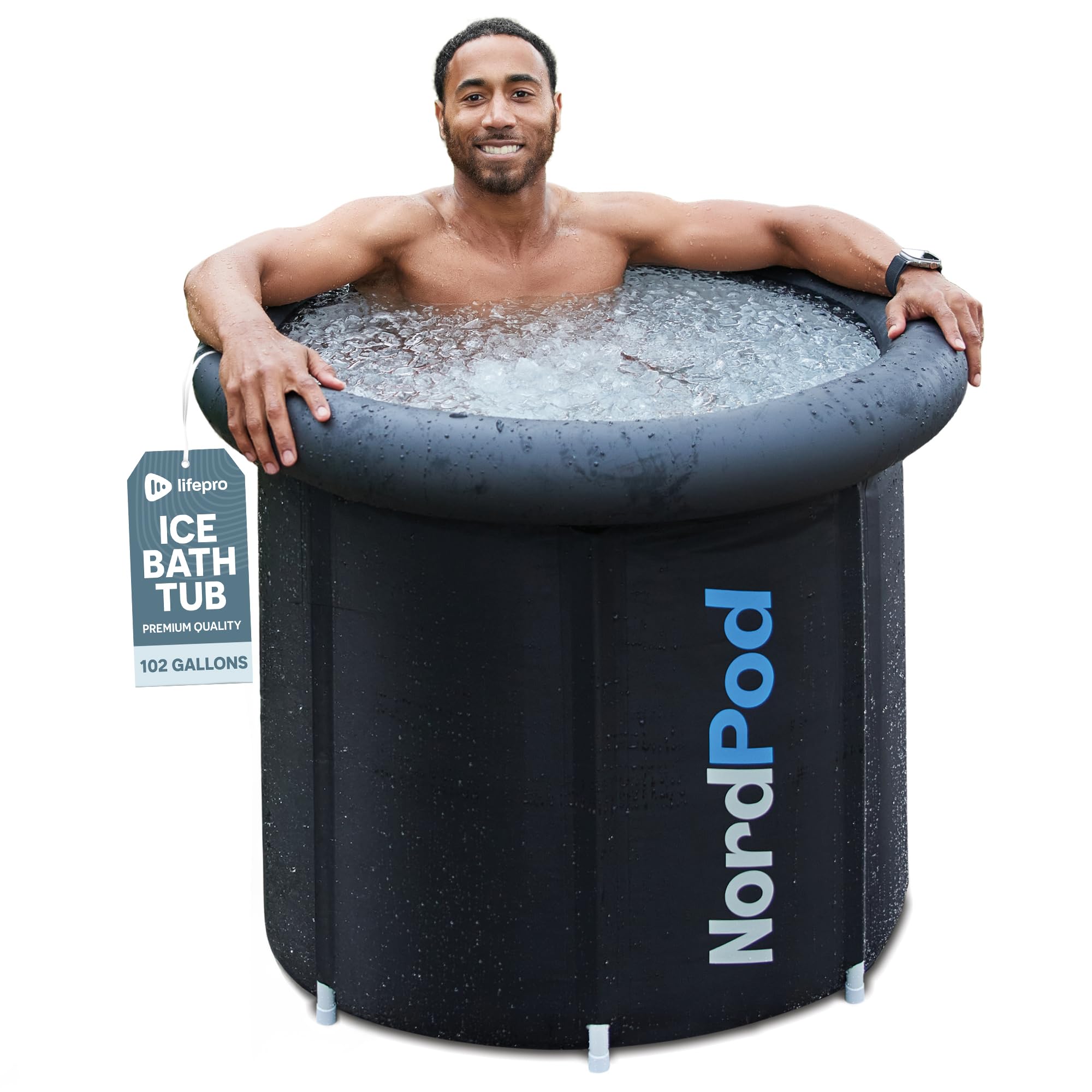
GSP uses ice baths twice per week, not just for inflammation control but for mental conditioning. He takes cold immersion first thing in the morning to sharpen focus for the day, and sometimes just before bed to improve sleep quality through a controlled adrenaline response.
Regular massage therapy, yoga, and dedicated stretching sessions on Sundays round out his recovery week. His quarterly 3-day water fasts are also part of his long-term recovery system, which he views as a full-body reset for inflammation and cellular repair.
George St-Pierre's Workout Supplements
GSP has always kept his supplement stack clean and functional. Every product he uses has a clear purpose tied to performance, recovery, or health maintenance.
The System
What separates GSP from other elite athletes is not natural talent alone. It is the consistency of his system, the discipline to show up six days a week for two sessions per day, and the intellectual curiosity to keep refining every element of his training.
He trains with people who are better than him in every discipline. He fasts quarterly to reset his body.
He takes his sleep as seriously as his squats. He pushes his technical skills every afternoon after a brutal morning strength session.
The GSP system is not complicated. It is demanding, consistent, and built around one idea: become the most complete athlete in the building, every single day.
"I train six days a week, two training sessions a day. I box, go to the gym, and I have a lot of great training partners.
I train with guys who are going to the Olympics."
If you want to follow a version of this system, start with three to four sessions per week combining compound lifts, sprint conditioning, and one to two martial arts classes. Build the habit of consistency before adding volume.
Explore Similar Routines
GSP's training shares DNA with other elite combat and performance athletes. These routines follow a similar principle of building functional strength, mental toughness, and well-rounded athleticism.
- Conor McGregor's Workout Routine. Movement-based striking, strength work, and the mental edge that powered McGregor to two-division UFC champion status.
- Joe Rogan's Workout Routine. A Brazilian jiu-jitsu practitioner and kettlebell devotee who trains martial arts daily well into his 50s.
- Cristiano Ronaldo's Workout Routine. Elite athlete obsession with sleep, recovery, and functional speed that mirrors GSP's scientific approach to performance.
- Usain Bolt's Workout Routine. Sprint-focused training built around explosive power development, the same quality GSP prioritizes with his track sessions.
Around the core training fuel, GSP leans on supplements tied to recovery and long-term health, high-dose omega-3s for joint protection against the cumulative stress of MMA, and an evening recovery formula to cut soreness and deepen the sleep he calls the single most important factor in his progress.