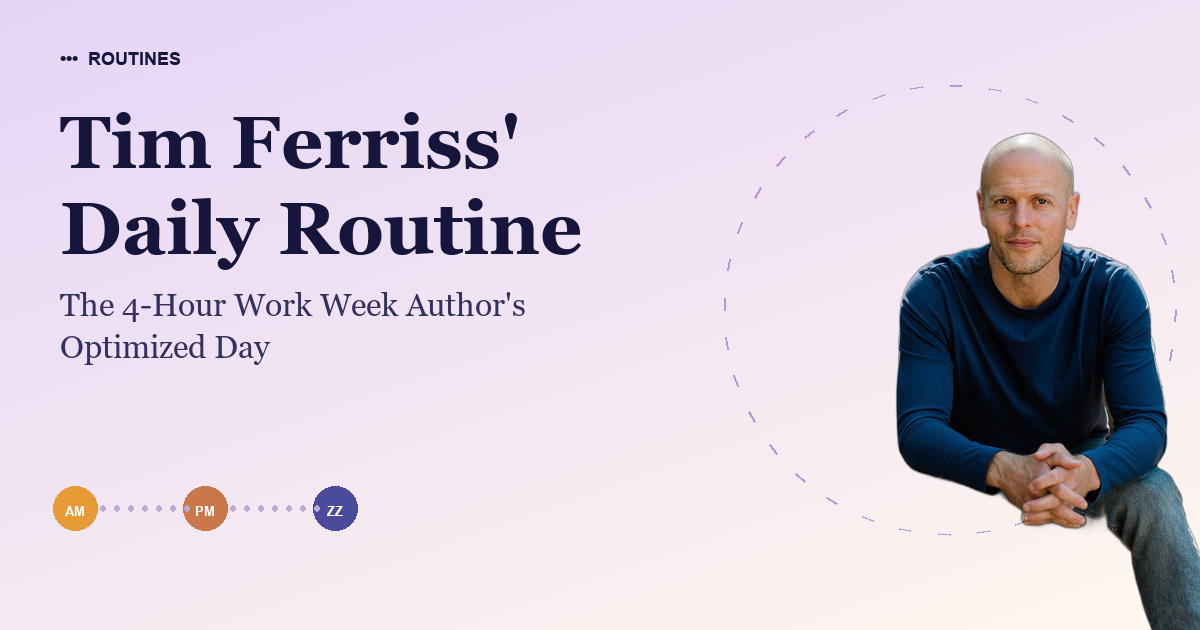
Tim Ferriss is the author of "The 4-Hour Workweek," "Tools of Titans," and "Tribe of Mentors." He is an angel investor, host of The Tim Ferriss Show, and one of the most influential self-experimentation practitioners alive. His Tim Ferriss daily routine is a constantly refined protocol drawn from thousands of hours of interviewing the world's top performers and testing their habits personally.
This article covers Ferriss' complete day: his morning journaling practice, Transcendental Meditation, AG1 routine, cold plunge and sauna protocol, kettlebell training, and evening wind-down. All details are sourced from his podcast, books, blog posts, and social media.
Ferriss does not claim his routine is the best one. He treats it as an ongoing experiment, adjusting based on data and results. That experimental mindset is as worth studying as the specific practices.
Related: AG1 against eight rival greens powders →
Wake-Up
Ferriss wakes up between 7 and 9 AM depending on his schedule. He does not use an alarm when possible. He has said his goal is to feel no urgency in the first 30 minutes of the day.
"Win the morning, win the day. That's a phrase I use seriously. How you start the morning determines the trajectory of the next 18 hours."
Ferriss is deliberate about not checking his phone immediately after waking. He treats the first 60 to 90 minutes of his day as protected time for his own routines, not for responding to other people's agendas.
The 5-Minute Journal
Within the first 30 minutes of waking, Ferriss writes in The 5-Minute Journal. The journal has a fixed structure: three things he is grateful for, three things that would make today great, and a daily affirmation.
"If I had to pick one habit from the last five years that has had the biggest impact on my life, it's the Five-Minute Journal. It primes gratitude and sets intention. Nothing else comes close."
The 5-Minute Journal format was codified by Ferriss' friends and he helped popularize it. Gratitude journaling has a substantial body of research showing it lowers baseline anxiety, increases life satisfaction, and improves sleep quality. Ferriss values it specifically for the intention-setting function: writing "what would make today great" operationalizes his priorities before the day takes over.
20 MINUTES A 20 minute session in a suit that shocks you = 3 hours at the gym? The research, the suits, the studios and what it actually costs. Everything we know about EMS, in one place. SEE THE EVIDENCE →Transcendental Meditation
Ferriss meditates for 20 minutes each morning using Transcendental Meditation (TM). He received formal TM training and considers it one of the highest-leverage practices he has found across all his research on peak performers.
"Over 80% of world-class performers I've interviewed have a daily meditation or mindfulness practice. That's not a coincidence. TM specifically has been a game changer for me."
TM involves silently repeating a personally assigned mantra for two sessions of 20 minutes each per day. Research on TM shows reductions in cortisol, improvements in HRV, and sustained decreases in anxiety over time. Ferriss typically does his first session in the morning and sometimes a second in the late afternoon.
Why TM Over Other Meditation Methods
Ferriss has tried many meditation approaches, including mindfulness, breathwork, and guided visualization. He returns to TM because it is effortless by design. There is no focus required, no monitoring of the breath. The mantra occupies the verbal mind and allows the nervous system to settle without strain.
AG1 and Morning Supplements
Ferriss takes AG1 every morning, typically after meditation and before his first meal. He uses it as his daily nutritional anchor, filling micronutrient gaps on days when his diet is irregular.
"AG1 is the first thing I recommend to people when they ask about supplements. It's not magic. It's comprehensive. It covers your bases so you can spend your attention on other things."
Beyond AG1, Ferriss' supplement use varies based on his current goals and what he is testing. He has documented use of omega-3s, vitamin D, magnesium, creatine, and a rotating cast of nootropics and adaptogens from his podcast guests. He is less protocol-rigid than Huberman and more experimental in nature.
Cold Plunge
Ferriss does cold immersion several times per week. He uses a cold plunge and has documented the practice extensively through his conversations with Dr. Andrew Huberman, Dr. Rhonda Patrick, and Wim Hof on his podcast.
"Cold exposure is one of the most reliable mood interventions I've found. Even when I don't want to do it, 2 minutes of cold water changes my state completely."
Ferriss values cold plunge primarily for its psychological effect: the practice of doing something deeply uncomfortable and surviving it builds a general confidence in handling difficulty. He also notes the dopamine and norepinephrine elevation that research has documented after cold immersion.
Sauna
Ferriss uses sauna regularly, typically 3 to 4 times per week, often paired with the cold plunge in a contrast therapy protocol. He has spent considerable podcast time with Dr. Rhonda Patrick discussing the cardiovascular and longevity research on regular sauna use.
"The data on sauna is surprisingly robust. Cardiovascular mortality goes down significantly with regular sauna use. It's one of the easier wellness inputs to add."
He typically does 15 to 20 minutes at 170 to 190 degrees Fahrenheit, followed by cold exposure. The contrast between heat and cold creates a powerful hormetic stress response, triggering heat shock proteins, improving circulation, and elevating growth hormone.
Workout Routine
Ferriss trained in powerlifting and olympic lifting earlier in his career and has shifted toward a more sustainable, low-injury approach as he has aged. His current training centers on kettlebells, bodyweight movements, and occasional yoga.
"I've broken myself training. Both shoulders, multiple injuries. Now I train for longevity first and aesthetics second. Kettlebells and simple movements, done consistently, beat complicated programs."
Weekly Schedule
| Day | Training Focus |
|---|---|
| Monday | Kettlebell swings, Turkish get-ups, pressing |
| Tuesday | Sauna and cold contrast, yoga or mobility |
| Wednesday | Kettlebell circuit, pull-ups |
| Thursday | Cold plunge, walking, low-intensity movement |
| Friday | Strength session: deadlifts, farmer's carries |
| Saturday | Hiking or outdoor activity |
| Sunday | Rest or sauna recovery |
The Minimum Effective Dose Fitness Philosophy
Ferriss popularized the concept of the "minimum effective dose" in fitness: the smallest input that produces the desired output. He applies this to training by finding the exercises with the best return per unit of time and injury risk. Kettlebell swings, deadlifts, and walking are his most consistently recommended movements.
First Meal and Diet
Ferriss often eats his first meal late, between 11 AM and 1 PM, following a compressed eating window. His first meal is typically high in protein and fat, with minimal processed carbohydrates.
"I've experimented with every diet. The one thing consistent across all of them: higher protein always helps. The rest is personal preference and adherence."
He has documented slow-carb eating principles from "The 4-Hour Body," which emphasizes legumes, proteins, and vegetables, while avoiding white carbohydrates, dairy, and fruit Monday through Saturday. He practices a "cheat day" on Saturdays where all restrictions are off, which he credits for long-term dietary adherence.
Podcast and Deep Work
The Tim Ferriss Show is the most downloaded business podcast in history, and producing it is Ferriss' primary professional output. His deep work block, 3 to 5 hours of focused preparation, writing, or interview research, occupies the core of his afternoon.
"The podcast is the most valuable thing I do professionally. Each conversation takes 20 to 30 hours of preparation. I protect that preparation time aggressively."
Ferriss batches his recording sessions and avoids scheduling interviews on days with other commitments. The preparation work, which involves reading a guest's books, notes, and prior interviews, requires the deepest focus of his day.
Evening Wind-Down
Ferriss does a second entry in his 5-Minute Journal each evening. The evening prompts ask him to identify three good things that happened, what he could have done better, and any key insight from the day.
"The evening journal closes the loop. The morning sets the intention, the evening reviews the execution. Together they create a feedback system."
He dims lights in the evening, avoids screens for 30 to 60 minutes before bed, and reads fiction or non-demanding nonfiction to transition his mind out of work mode. He has discussed using magnesium and occasionally low-dose melatonin when traveling across time zones.
The System
Ferriss' routine is built on a simple meta-principle: find what the world's best performers do, test it on yourself, and keep what works. His morning stack of journaling, meditation, AG1, and cold exposure represents the distilled overlap of practices he found in hundreds of top performers.
The transferable insight is the framework, not the specific habits. Ask what practices consistently appear in the routines of people performing at the level you want to reach. Test them one at a time. Measure the result. Keep what works. That is the Tim Ferriss approach, applied to the routine itself.
Explore Similar Routines


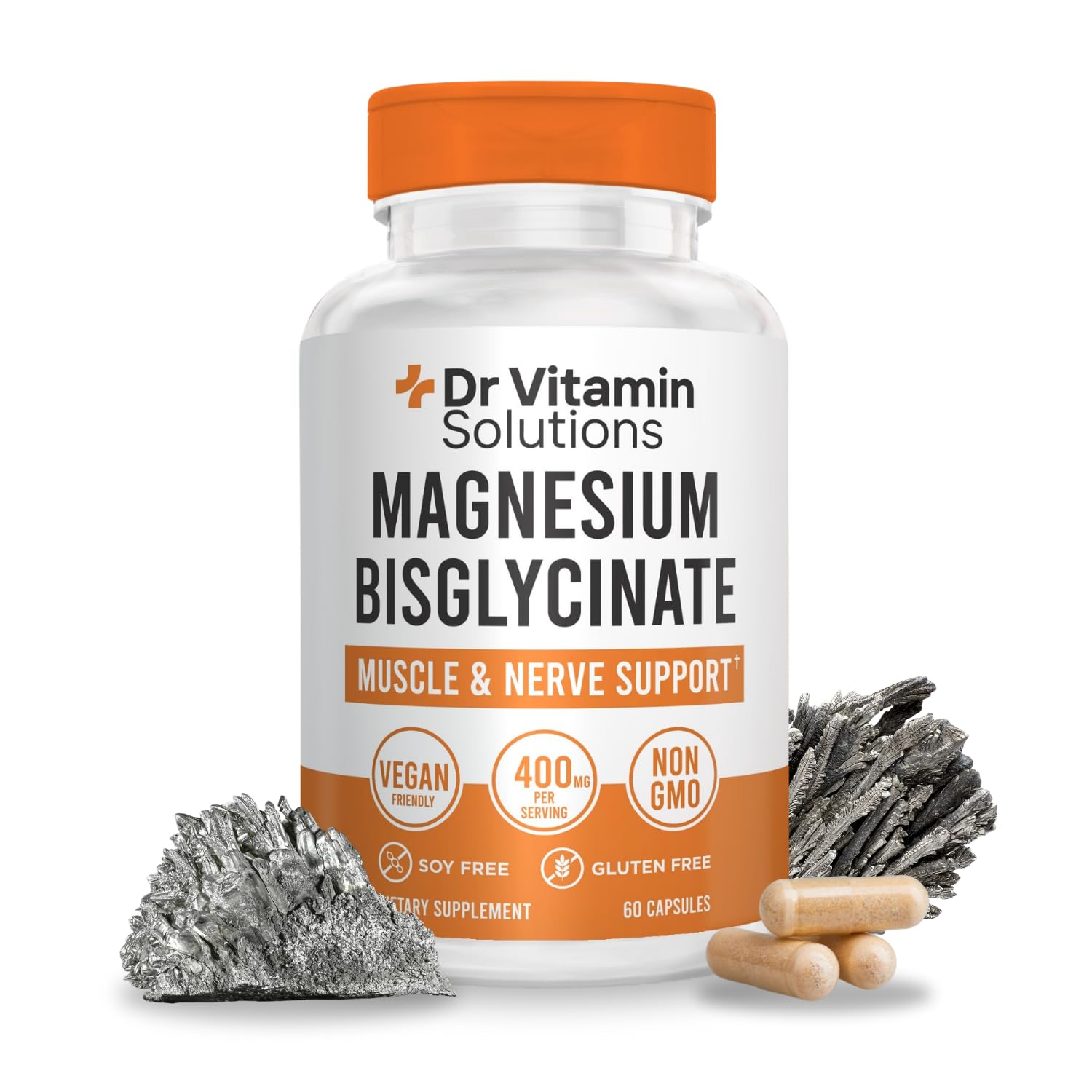
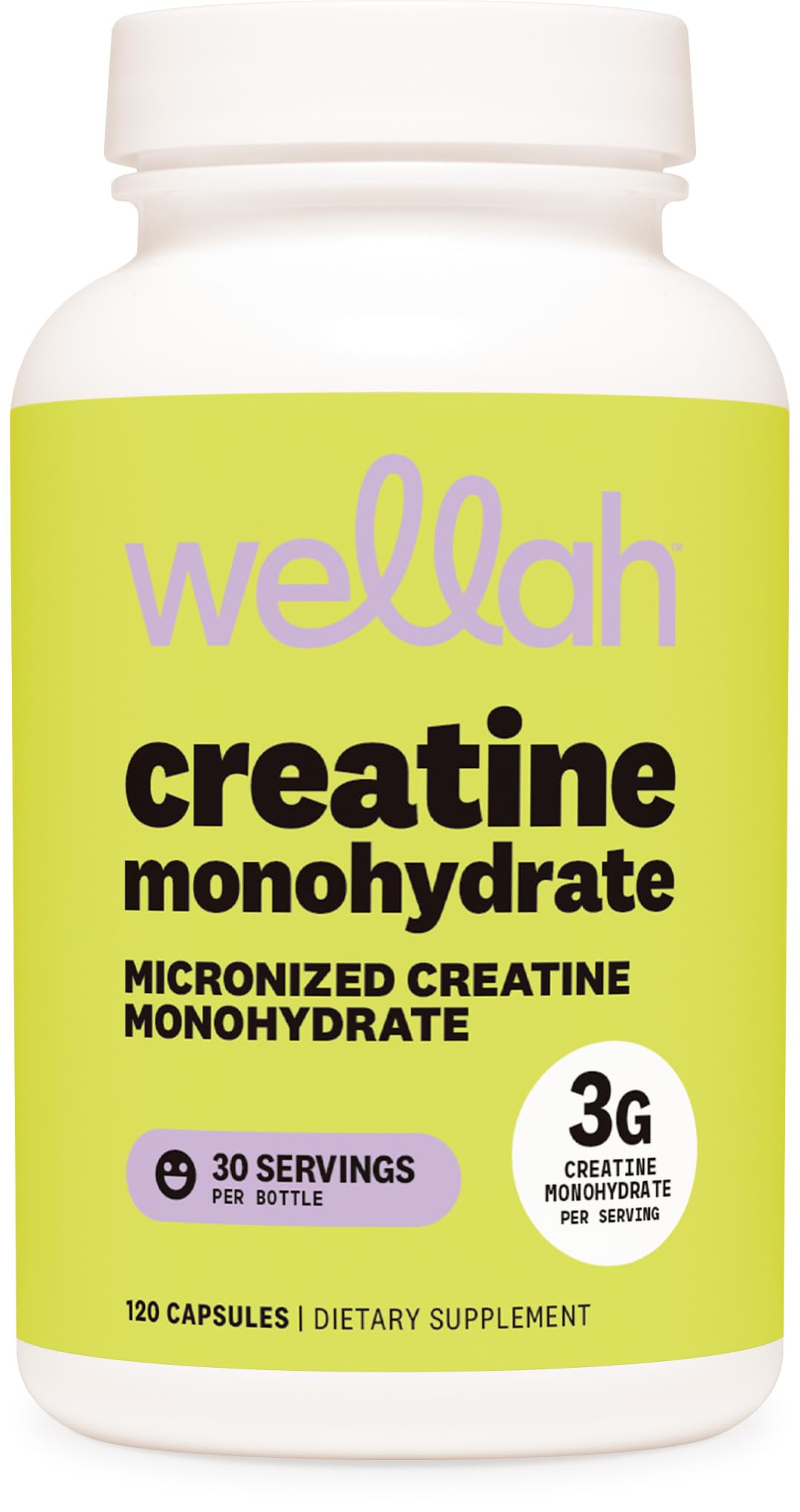
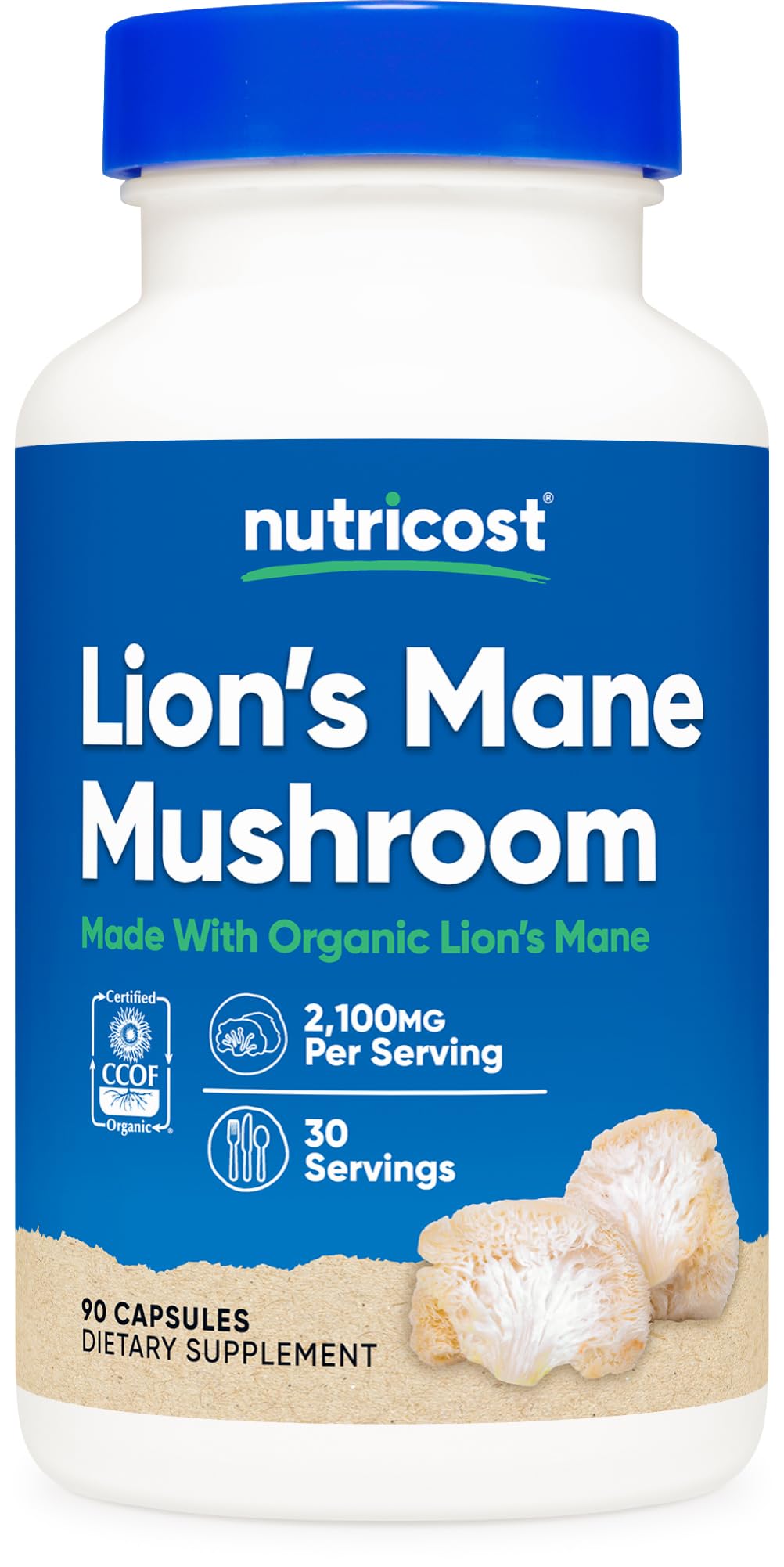


Beyond his core morning stack, Ferriss is more experimental than rigid, rotating nootropics and adaptogens from his podcast guests, and reaching for a low dose of melatonin only when crossing time zones.